

Corn, Time & Intention
The Art of Nixtamalization

Heritage is the beating heart of the culinary world.
Nixtamalization is an ancient Mesoamerican technique for transforming corn into a dough called masa, which serves as the base for recipes such as tortillas, gorditas, and tamales, and is at the heart of Mexican cooking. The main ingredients for making masa are corn, time, and intention.


In this article, Chef Roberto Alcocer discusses how traditional techniques like nixtamalization have the power to transform your cooking.
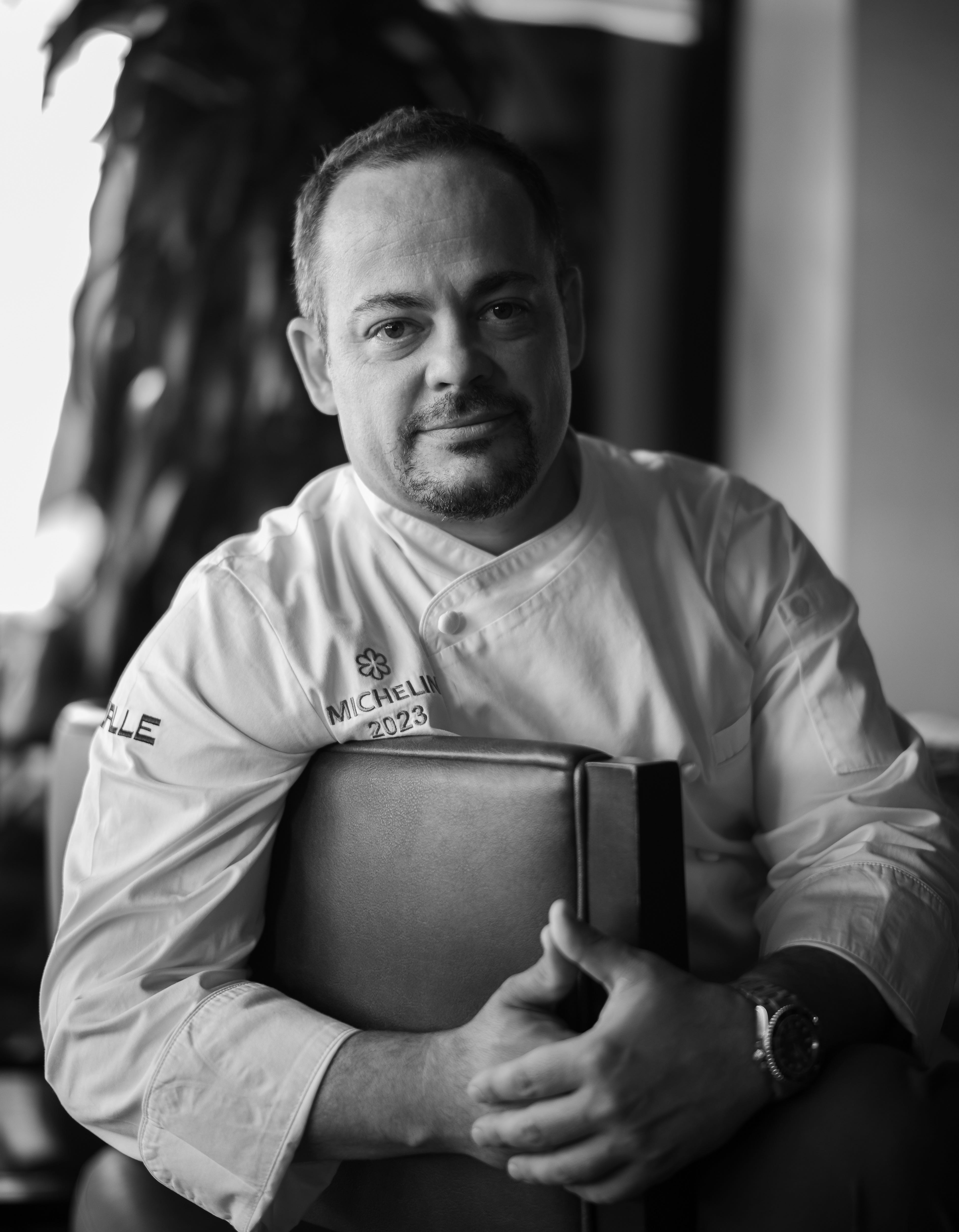
Chef Roberto has lived and worked in the culinary centers of Mexico. He learned to cook in Oaxaca and Mexico City, before heading to Europe to further refine his craft. Today, he combines his knowledge of traditional Mexican cooking with contemporary flavors to craft eye-opening dishes in his own Michelin-star kitchen, located in Oceanside, CA.
Valle’s Chef Roberto on Nixtamalization
In cooking, there are ingredients you work with, and then there are ingredients that reshape the way you think about your craft. Corn is one of those ingredients.
It’s easy to treat corn as something familiar, something expected. A tortilla on the table, masa in a dish, something that feels almost automatic in Mexican cuisine. But the more time you spend with it, the more you realize that corn isn’t so simple. It’s precise. It’s sensitive. It demands your attention in a way that doesn’t allow shortcuts.
Recently, I was asked if there’s a traditional Mexican cooking technique that I wish more chefs would explore in fine dining. Without question, my answer is nixtamalization. It’s one of the most important techniques in Mexican cuisine, yet few chefs outside of Mexico make proper use of it.
Once you start making your own nixtamal—grinding your masa and feeling it transform from corn to dough—it changes the way you cook. It’s not just a process, but a shift in perspective. It carries history, culture, and an entirely unique way of understanding flavor. And it demands time.
You take something raw, something that hasn’t yet expressed its full potential, and you commit to it. You mix water, cal, and heat. Then you wait. Waiting is an essential part of the process—not something that you can work around. You can’t rush masa without losing something. That’s what I find most interesting. Nixtamalization forces you to slow down in a kitchen that moves fast.
When we started making our own masa, we weren’t trying to be traditional just for tradition’s sake. It was about gaining a deeper understanding of what we were serving. Where it came from. What it could be if we paid attention to it.
Once you taste the difference, it’s hard to ignore. Fresh masa has a depth that’s difficult to explain until you experience it firsthand. Its texture and aroma possess a liveliness that simply doesn’t exist in something processed or rushed. It holds flavor differently. It carries the dish instead of just supporting it.
But working this way also comes with its own challenges. Consistency becomes harder. Every batch of corn behaves differently—the weather affects it, the cooking time changes, the grind changes. It requires constant adjustments. It demands your presence. You can’t just follow a recipe and expect the same result every time.
In a kitchen where time and labor are already stretched to its limits, choosing to do this is a commitment. There are easier options, but easier doesn’t make you a better chef.
Working with local corn also adds another layer of complexity. At Valle, we work hand in hand with producers like Somos Maiz, who are helping bring attention back to the quality and diversity of corn being grown close to us. It’s not just about sourcing an ingredient, it’s about understanding it through the people cultivating it. That connection changes how you approach even the simplest preparation. It also means accepting limitations. You don’t always get exactly what you want. You adapt, adjusting dishes to what’s available, not the other way around. That can feel restrictive, but it also creates clarity. It forces decisions grounded in practical considerations.
A tortilla made from corn you understand, processed with intention, carries more than just flavor. It reflects the choices made long before service starts. That’s something guests may not always be able to articulate, but they feel it.
At least, that’s the goal. Because in the end, working with corn at this level isn’t about making it more complicated. It’s about taking something essential and treating it with the same level of care as anything else in the kitchen. Not because it’s expected, but because it deserves it.
— Chef Roberto Alcocer
To learn about another essential element of Mexican cooking—smokiness—and for pro tips on plating, check out our article on how to cook Chef Roberto’s legendary pescado.